
We assist small businesses to define and refine their processes, plan and build their web presence using current and emerging technologies.
We provide ongoing support and advice to assist businesses to
maintain and grow a crucial path to market and focus on growing your business

When staff members take holiday leave, critical business systems can become inaccessible if proper planning is not in place. A missing login credential, an unchecked inbox, or an unavailable team member on Christmas Eve can stall operations entirely. The solution involves safely sharing access credentials, documenting processes, and building systems that function regardless of who is available at any given moment.
In this episode, Charly covers:
✅ Using password managers to securely share access amongst team members
📌 Setting temporary access that can be revoked after the holiday period
🔗 Avoiding shared logins that destroy accountability and complicate auditing
✅ Scheduling January tasks now so returning staff know their priorities immediately
📌 Automating recurring items like reports, backups, and social media posts
🛡️ Running a five-minute test to identify what breaks if someone disappears suddenly
The most common system failure during holiday periods occurs when only one person knows how to access a critical account or perform an essential task. That person leaves for their break, and suddenly nobody can retrieve the two-factor authentication code from the accounts inbox, access the payment processing dashboard, or approve time-sensitive requests. Password managers like Zoho Vault or RoboForm solve this problem by allowing controlled sharing of credentials without emailing passwords or maintaining insecure shared spreadsheets. The episode also covers using shared inboxes or ticketing systems to ensure client communications continue seamlessly regardless of individual availability. The key insight is building systems that are resilient to absences rather than relying on specific individuals to always be available.
Links
Join the discussion in my community: https://askcharlyleetham.locals.com
Follow us:
Locals: https://askcharlyleetham.locals.com
Rumble: https://rumble.com/askcharlyleetham
Odyssey: https://odysee.com/@askcharlyleetham:4
YouTube: https://youtube.com/askcharlyleetham
Facebook: https://www.facebook.com/askcharlyleetham
Twitter: https://twitter.com/yourbizmgr
Instagram: https://instagram.com/ask_charly_leetham
LinkedIn: www.linkedin.com/in/charlyleetham
LinkedIn Company: https://www.linkedin.com/company/ask-charly-leetham/
Spotify: https://askcharlyleetham.com/likes/rise-and-shine
Apple Podcasts: https://podcasts.apple.com/us/podcast/ask-charly-leetham-online-business-manager/id1659738721
iHeartRadio: https://www.iheart.com/podcast/269-ask-charly-leetham-online-105944212/
Amazon Music: https://music.amazon.com/podcasts/662f1e44-115d-4094-862b-efe9307e0df4/ask-charly-leetham-online-business-manager
Music and Credits to:
Paradise Found is covered under Creative Commons.
"Paradise Found"
Kevin MacLeod (incompetech.com)
Licensed under Creative Commons: By Attribution 3.0
http://creativecommons.org/licenses/by/3.0/
https://incompetech.com/music/royalty-free/licenses/
https://rumble.com/v7253eo-how-do-you-handle-staff-time-off-without-breaking-systems-2025643.html
Life is busy and there's just so many things to remember. What tools do you use to help you keep on top of ALL the things?
It's easy to react or respond quickly to messages and the like. It's better to do that mindfully. That's why I try to Practice The Pause.
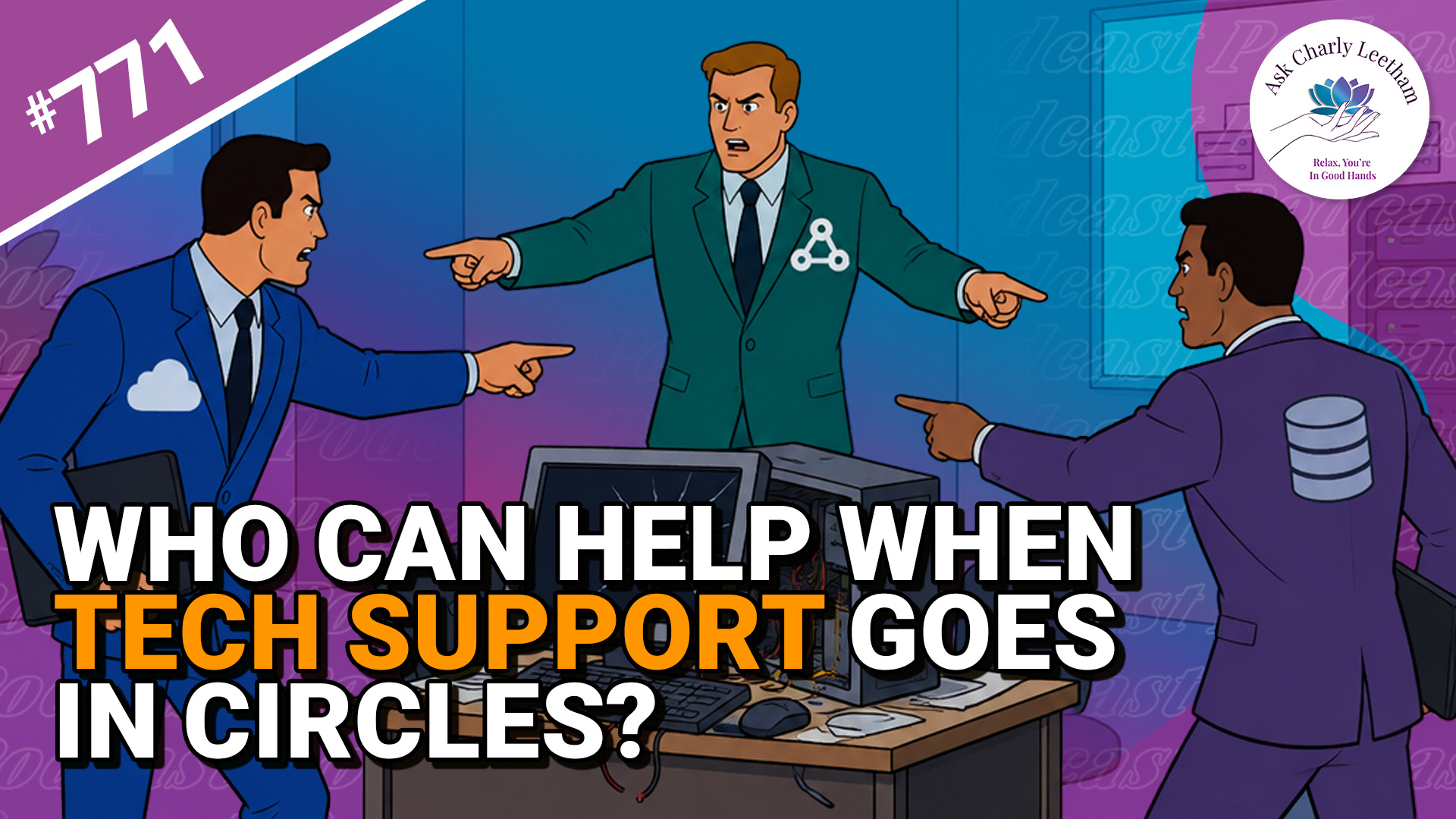
Business systems are complex and when something goes wrong, trying to work out what it is and how to fix can be an exercise in futility. It becomes even more frustrating when there are multiple providers involved and each say their system is working correctly.
Todays episode discusses that and asks four questions:
✅ Why is it so difficult to identify where the problem sits?
➡️ What do you need to do?
⚡ How can you get out of the cycle?
⭐ What can the business do while the underlying problem is being resolved?
Have you got a technology problem that still exists because nobody can tell you where it sits?
Book a Free 30 minute Breakthrough Session: https://askcharlyleetham.com/book-me
(1 per person only)
Follow us:
Locals: https://askcharlyleetham.locals.com
Rumble: https://rumble.com/askcharlyleetham
Odyssey: https://odysee.com/@askcharlyleetham:4
YouTube: https://youtube.com/askcharlyleetham
Facebook: https://www.facebook.com/askcharlyleetham
Twitter: ...

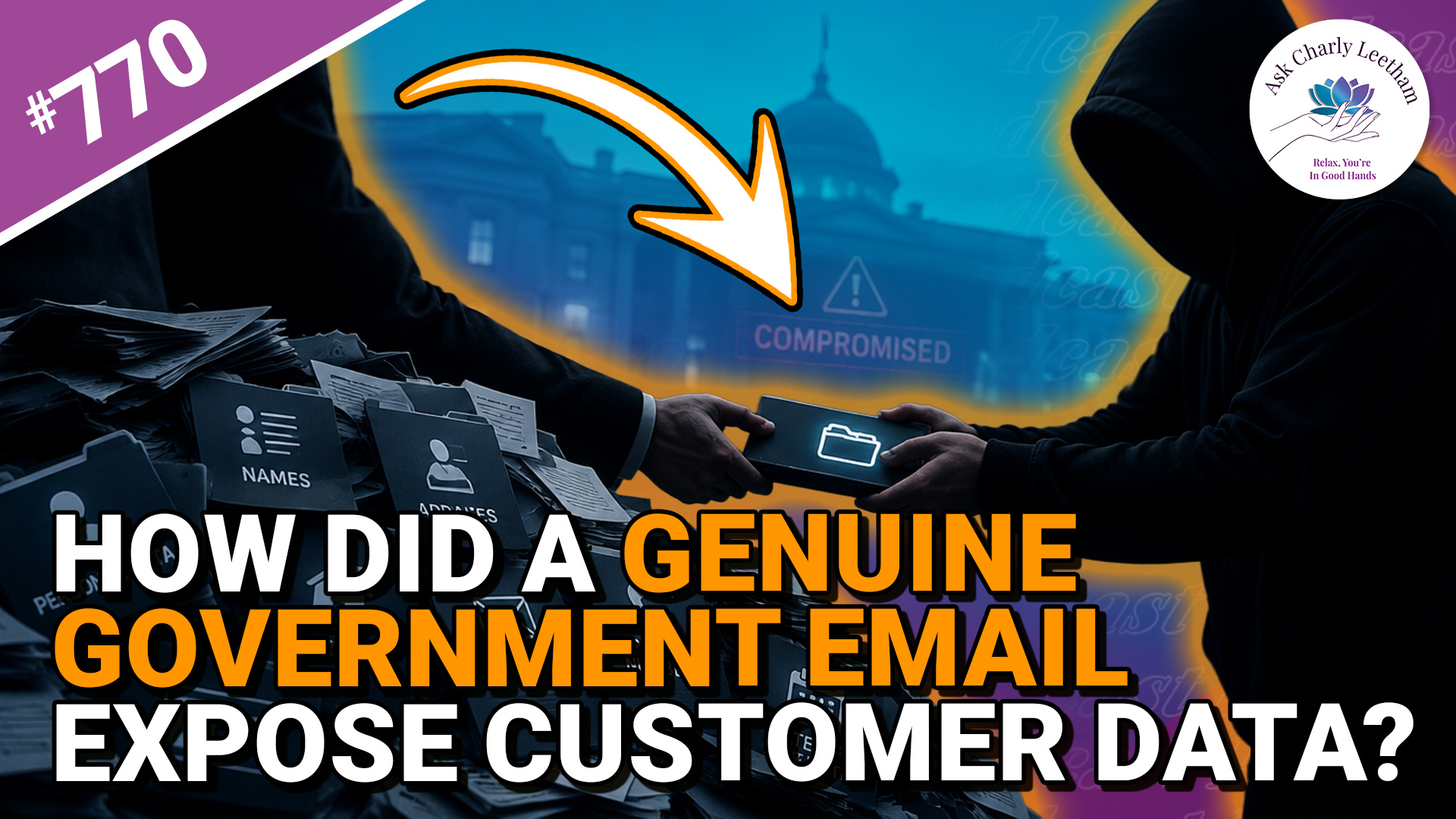
Revolut handed approximately 680 customers’ personal information to a bad actor after receiving requests from a compromised Italian government account that appeared lawful.
It appears the company wasn’t hacked, and the emails passed the checks designed to confirm where they came from. Today's episode discusses:
✅ Why Revolut handed the information over
➡️ The legal and regulatory environment that set the incident up
⚡ What it means for the security and privacy of information businesses are required to collect
⭐ What small businesses need to take from it
There are lessons here for businesses, particularly those now covered by expanded Australian anti-money laundering requirements.
If your business collects sensitive customer information, find out what this incident means for you.
Book a Free 30 minute Breakthrough Session: https://askcharlyleetham.com/book-me
(1 per person only)
Follow us:
Locals: https://askcharlyleetham.locals.com
Rumble: https://rumble.com/askcharlyleetham
...
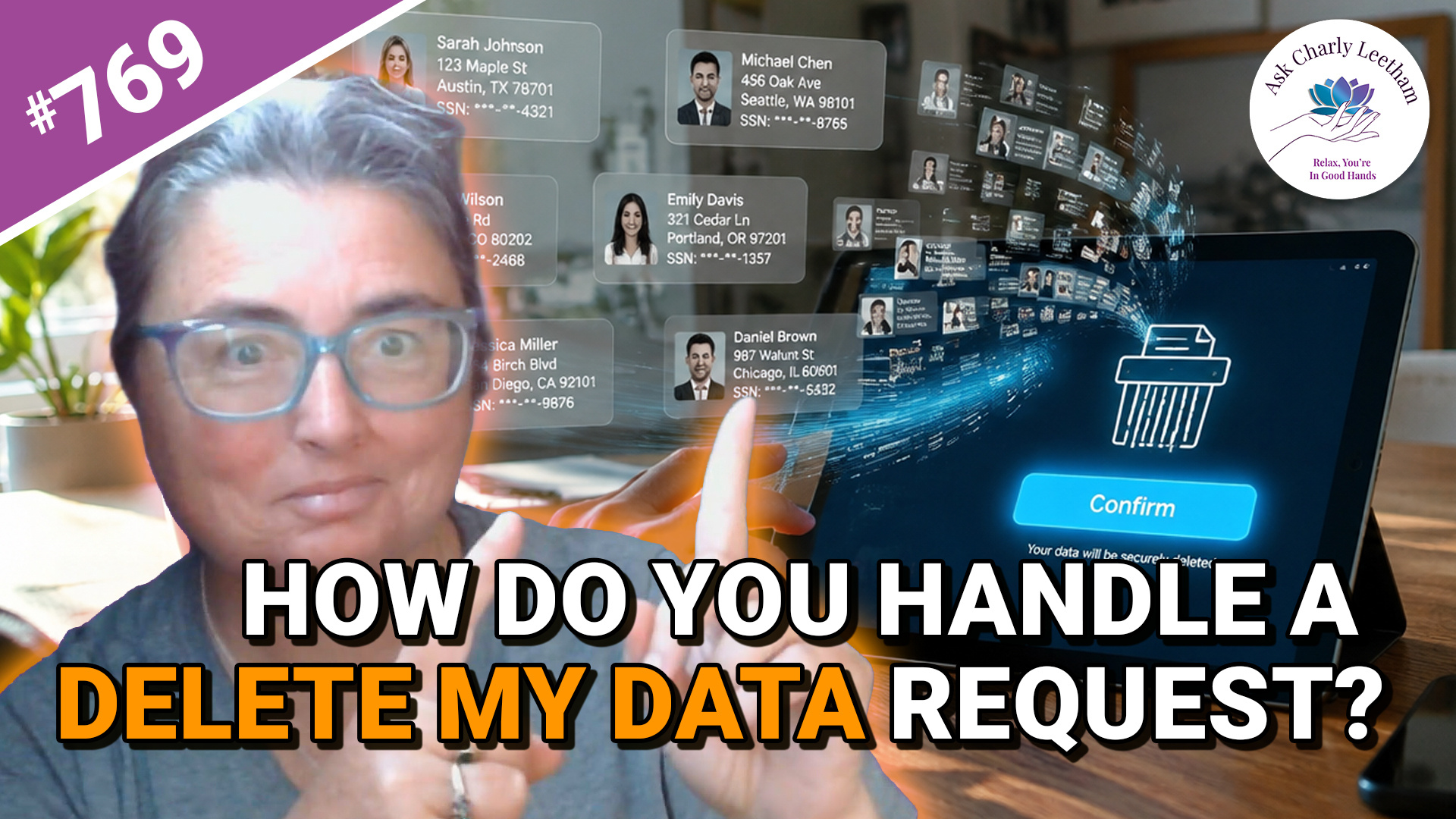
WordPress website holds about them, do you know what to do?
WordPress has built-in privacy tools for handling these requests, including confirming who's making the request before you hand over or erase their information. In this walkthrough, you'll see the process from both sides:
✅ What the person requesting their data sees
➡️ How WordPress confirms the request before you action it
⚡ What information WordPress includes in the personal data export
⭐ What happens to their information after the erasure is completed
Privacy administration might be tedious, but knowing how to handle a request properly is worthwhile for a business owner.
Follow the process from the initial request through to the final erasure, and see exactly what WordPress does along the way.
Book a Free 30 minute Breakthrough Session: https://askcharlyleetham.com/book-me
(1 per person only)
Follow us:
Locals: https://askcharlyleetham.locals.com
Rumble: https://rumble.com/askcharlyleetham
Odyssey: ...